 Skip to main content


Georgia gardeners get two real planting seasons a year, and the second one starts in late summer. Atlanta sits in USDA hardiness zone 8a, which means mild winters and a growing season that includes 230 frost-free days. Balconies at The Kirkwood Apartments at Edgewood have enough room for a container garden that keeps growing into December. All it takes to start one is a little planning and a free afternoon.
Start by Checking Your Outdoor Area
Before you buy a plant, see where the sunlight lands on your balcony or patio. Most vegetables need 6 to 8 hours of direct sun. An area with full sun exposure from noon onward can grow very different things compared to one that catches only morning light. For example, herbs and leafy greens tolerate partial shade, while peppers and tomatoes need full sun.
Wind matters more on an upper floor than most people expect. Air moving across a balcony pulls moisture out of pots far faster than it does at a patio on ground level, so exposed corners dry out first. Setting containers against the wall or in a sheltered corner reduces how often you need to pull out a watering can.
For balconies, weight is a consideration before buying pots. A 20-inch pot filled with wet soil gets very heavy, so position the big containers along the building side rather than out at the rail. Thinking about sun direction and pot placement can help you find the right apartment balcony or patio for your plants. Our apartments feature outdoor spaces that provide plenty of room to cultivate your ideal green space. Select floor plans at The Kirkwood Apartments include a private balcony or patio that are perfect for starting a garden.
Picking Containers and Soil
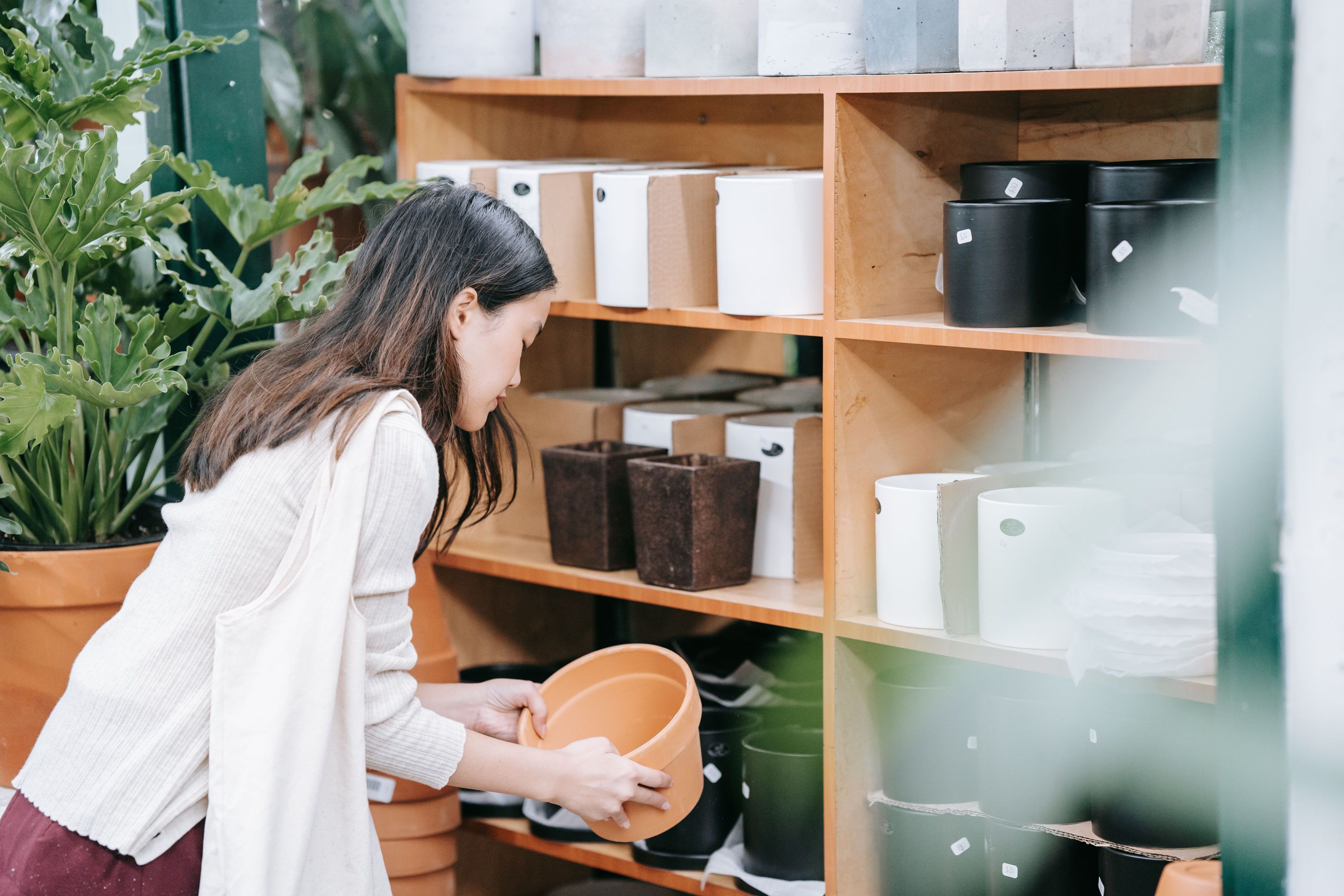
Any pot works as long as it has drainage holes and at least 12 inches of depth. A 15 – 24-inch diameter container is a good starting size for a mix of plants, and larger pots hold moisture longer, so you water less often. Self-watering planters take even more guesswork out of it if you travel or work long hours.
Skip garden soil entirely and buy potting mix instead. Container soil drains poorly compared to ground soil, because the shallow depth reduces the pull that moves water down and out. Potting mix solves that problem. Also, adding a slow-release organic fertilizer at planting saves you from constantly adding nutrients through the season.
One useful tip for apartment balconies and patios is to put a saucer under every container. Runoff carries soil, and a saucer keeps the mess off your floor or away from the balcony below.
What to Plant
Atlanta gives you two growing seasons, so what matters is which one you're in. Frost lands around mid-March and mid-November, leaving a long runway on both ends.
Cool-season crops go in twice: late summer for a fall harvest, then again in late winter. Lettuce, carrots, radishes, and greens like mustard, turnips, and chard go straight into the container as seed. Broccoli, cabbage, and cauliflower do better as transplants, and garden centers stock them in late summer for exactly this reason. 'Buttercrunch' lettuce, 'Vates' kale, and 'Cherry Belle' radish all handle the Georgia climate well from seed while purple broccoli and red-tinged kale hold color in your outdoor space through the colder months.
Once nights stay above 50 degrees, containers can take tomatoes, peppers, eggplant, bush beans, and cucumbers. Choose compact or dwarf varieties, and expect to water daily in real heat. Skip lettuce in peak summer, since it turns bitter almost immediately.
Herbs are worth a pot of their own. Rosemary, thyme, and oregano are perennial here, so a large, well-drained container can stay outside year-round and come back each spring. Cilantro grows as soon as the heat arrives, which makes fall and early spring its windows.
Keeping Everything Alive Through the Atlanta, GA Summer
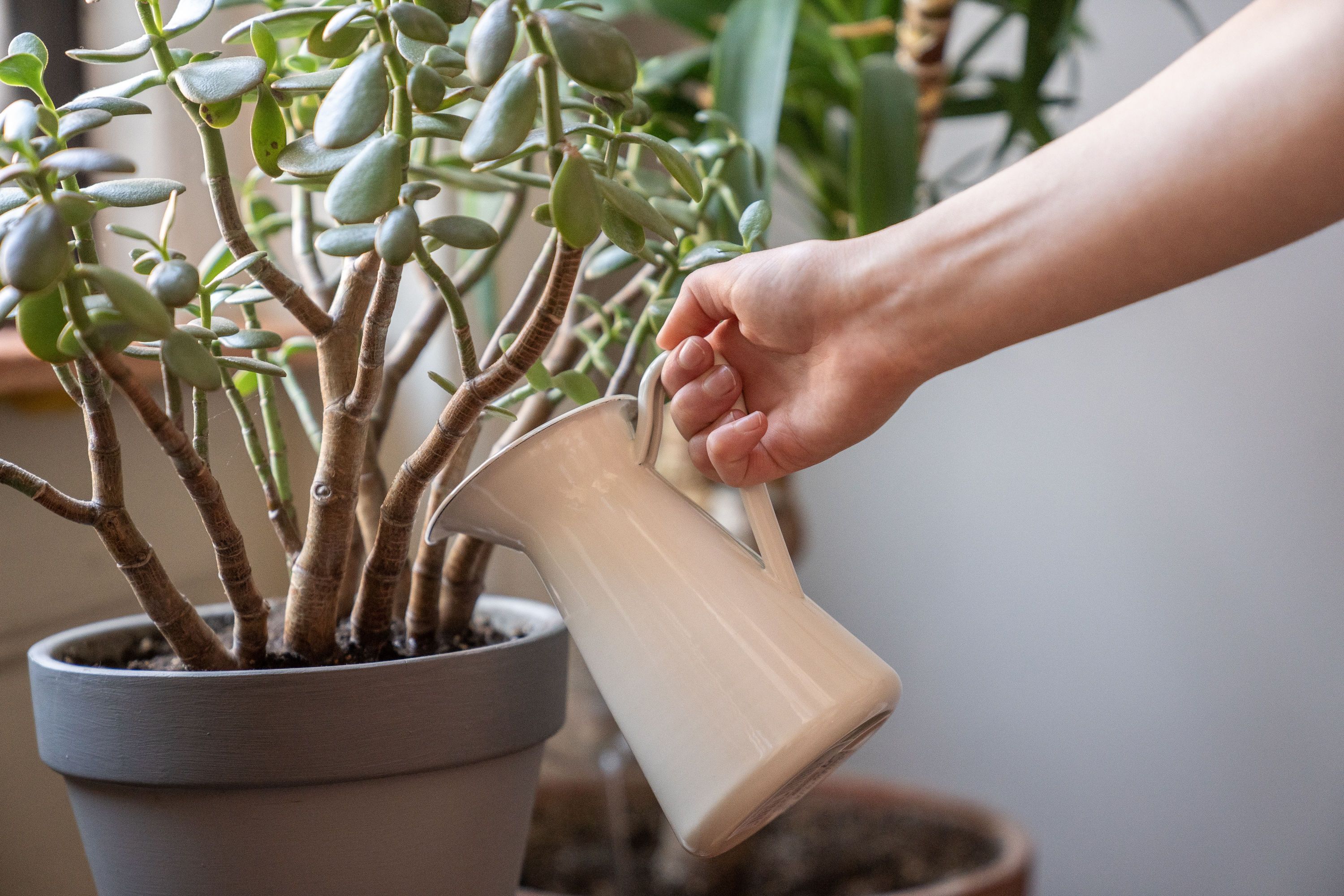
Containers dry out fast, and that is the single biggest difference between balcony and patio gardening and a backyard plot. Check your pots daily and water until it runs out the drainage holes, since a light watering may only reach an inch down. Keep in mind that morning is the best time to water, because leaves that stay wet overnight can cause mold and mildew growth.
Humidity is the other local factor. Fungal problems like powdery mildew and leaf spot spread easily in Atlanta summers, so give plants a little space for air to move between them. Also water the soil rather than the foliage to avoid mildew covered leaves.
Where to Buy Plants and Supplies Nearby
Garden*Hood in Grant Park is the closest independent nursery. The shop carries herbs, vegetables, and fruiting shrubs along with a full range of soils and composts blended for the Georgia climate. Their pottery selection has everything from plain terra cotta to artisan pieces. They are closed on Mondays and open from 10 a.m. to 5 p.m. the rest of the week.
Pike Nurseries is another great option, with 19 garden centers across Georgia and North Carolina. The Toco Hills and Lindbergh locations are the closest to The Kirkwood Apartments, and both offer free gardening classes through the season. Their staff includes certified horticulturists who know Georgia growing conditions specifically, which beats guessing from a label and losing plants in the heat.
Ready to find the right apartment with great outdoor space to start your own garden? Walk the building with us, step out onto a few balconies and patios, and lock in your dream apartment. Schedule a tour today at The Kirkwood Apartments at Edgewood!